How to Build a Dutch-Inspired Coffee Break at Home
Why a Dutch Coffee Break Deserves a Place in Your Routine
A coffee break is a small ritual, but it can feel familiar to the point of being forgettable. The Dutch approach to this pause in the day is different. It treats the moment as a deliberate pairing of a good cup of coffee or tea with something sweet and textural. The goal is not to rush through a snack but to enjoy a contrast between a hot drink and a crisp, caramel-filled wafer. That contrast is what makes the break feel special without requiring much effort.
To recreate this at home, you don't need a bakery or special equipment. You need a few thoughtful choices about what you serve and how you serve it. The checklist below covers the essential points so you can put together a Dutch-inspired coffee break that feels authentic, satisfying, and easy to repeat.
Start With the Right Drink
The drink is the foundation. In the Netherlands, coffee is the classic partner for a sweet wafer snack, but strong black tea also works well. The key is that the drink should be hot enough to warm the cookie slightly as you hold it over the cup. This softens the filling and makes the whole experience more aromatic.
For coffee, a medium roast with low acidity works best. It should be bold enough to stand next to the sweetness of the filling without being bitter. If you prefer tea, choose a full-leaf black tea or a rooibos. Avoid herbal infusions that are too delicate or fruity, as they can clash with the caramel notes. Serve the drink in a cup that is wide enough to rest a wafer on top, but that is a detail for later.
Pick a Filled Wafer That Matches the Moment
The wafer is the centerpiece. In Dutch tradition, the most common choice is a stroopwafel, a thin waffle disc filled with caramel syrup. But the category is broader than that single style. You might look for caramel filled wafels that are slightly thicker, with a chewy center rather than a hard snap. The texture matters because it changes how the wafer behaves when you warm it over the cup.
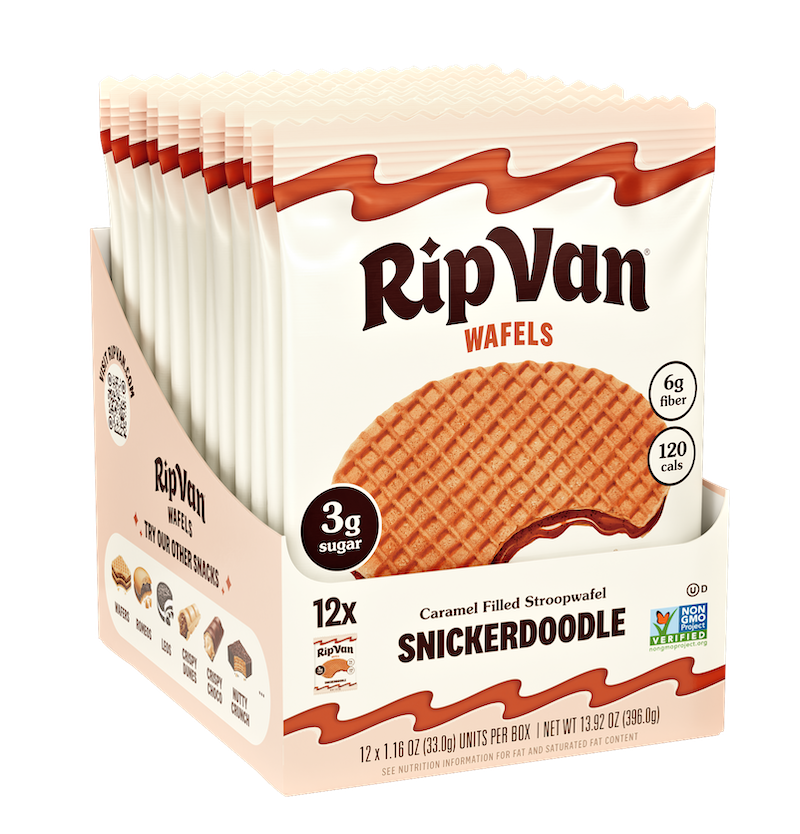
A chewier wafer holds its shape longer and releases the filling more slowly. A crispier one softens quickly and can become messy if you wait too long. Consider the texture you want and choose accordingly. If you are serving several people, offering two different textures gives everyone a choice and makes the break feel more curated.
What to Check on the Package
When selecting wafers for this break, look at a few details on the label. The ingredient list should show caramel or caramel syrup as a main component, not just sugar or corn syrup. The wafer itself should be a baked disc, not a pressed cracker. If the package mentions Dutch origin or Dutch recipe, that is a good sign. The size should be roughly the diameter of your coffee cup rim, so the wafer rests easily without falling in.
Warm the Wafer the Right Way
Warming is what transforms a dry cookie into a gooey, aromatic treat. The classic method is to place the wafer on top of a freshly poured cup of hot coffee or tea and let the steam soften the filling for about one minute. You can also warm it in a microwave for ten to fifteen seconds, but that can make the wafer too soft and cause the filling to leak.
The steam method is more forgiving. It warms the filling evenly without overheating the wafer itself. If you are serving multiple people, you can warm several wafers by stacking them on a plate over a mug of hot water, but that takes longer and can make them stick together. For a small group, warming each wafer individually over its own cup is the most reliable approach.
A Note on Timing
Do not warm the wafer too far in advance. The filling cools quickly, and the wafer becomes stale once it loses its warmth. Warm it just before you are ready to eat it. If you are hosting, you can prepare the drinks and then warm the wafers at the table so everyone can watch the process. That adds a small element of theater to the break.
Balance the Sweetness With the Drink
Caramel filled wafels are sweet. That is part of their appeal, but the sweetness can become overwhelming if you don't balance it with the drink. A plain black coffee or unsweetened tea provides the necessary contrast. If your drink is already sweetened with sugar, milk, or flavored syrup, the combination can become cloying.
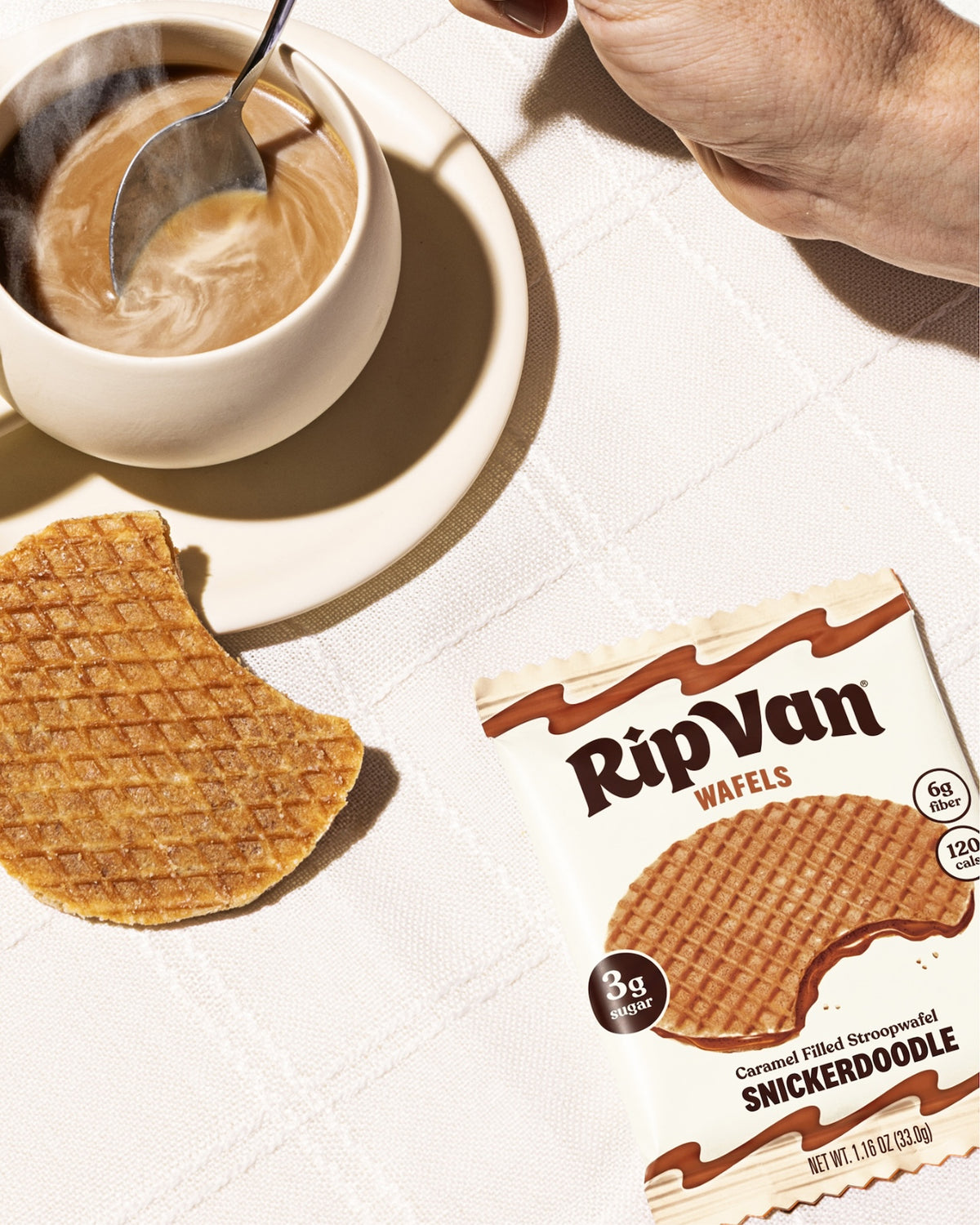
If you prefer a latte or cappuccino, keep the milk unsweetened and use a single shot of espresso so the coffee flavor still comes through. For tea, avoid adding honey or sugar. The caramel from the wafer will provide all the sweetness you need. If you want a less sweet option, look for wafers with a lower sugar content or a filling that uses a darker caramel, which tends to be less sweet and more complex.
Set the Scene Without Overdoing It
The environment matters, but it does not need to be elaborate. A small tray with the wafers arranged in a single layer, a pot of coffee or a teapot, and a few cups is enough. You can add a cloth napkin or a small plate for each person. The point is to create a sense of occasion without turning the break into a production.
If you want to add something extra, consider a small dish of plain butter or a thin slice of aged Gouda. In the Netherlands, it is not uncommon to pair a sweet wafer with a salty or savory element. The salt cuts the sweetness and makes the whole experience more balanced. A few slices of cheese or a handful of unsalted nuts can serve the same purpose.
Serve at the Right Time of Day
Dutch coffee breaks happen at mid-morning or mid-afternoon. They are not meant to replace a meal but to provide a moment of rest and energy. Serving the wafers too close to lunch or dinner can ruin the appetite for the next meal. Aim for a time when you have about twenty minutes to sit and enjoy without rushing.
If you are serving guests, let them know in advance that the break is informal. The wafers are not a dessert course. They are a snack to accompany a drink, and the whole thing should last no longer than half an hour. Keeping it short preserves the novelty and makes people look forward to the next one.
Adapt for Dietary Needs
Traditional Dutch wafers contain wheat flour, butter, and sugar. If you or your guests have dietary restrictions, check the ingredients carefully. Some brands offer gluten-free versions made with rice flour or a blend of gluten-free grains. Others use plant-based fats instead of butter. The caramel filling itself is usually vegan, but some recipes add milk solids, so read the label if that matters to you.

For a lower-sugar option, look for wafers that use a sugar substitute or a reduced-sugar recipe. The texture and browning may be slightly different, but the experience of a warm, filled wafer with coffee remains the same. If you cannot find a suitable wafer, you can make a simple version at home using a pizzelle iron or a waffle iron with a thin setting, though that takes more time and practice.
Keep the Ritual Simple and Repeatable
The best Dutch-inspired coffee break is one you can recreate without special planning. Keep a package of wafers in the pantry and a good coffee or tea on hand. When you need a short pause, heat the water, pour the drink, and warm a wafer over the cup. The whole thing takes less than five minutes of active time.
The ritual works because it combines a familiar act, making a hot drink, with a small twist that changes the experience. That twist is the wafer. By choosing one with a good texture and a caramel filling that softens with heat, you turn an ordinary coffee break into a moment that feels considered and satisfying. That is the essence of the Dutch approach: simple ingredients, careful pairing, and a respect for the pause itself.